
Fleet Manager’s Guide to Gaining Driver Buy-in for Smart Dash Cams
How fleet managers can address privacy concerns, explain the safety benefits of video telematics, and build driver and union support for smart dash cams.

Building Driver Buy-in for Smart Dash Cams
Fleet telematics devices and smart dash cams are valuable tools for fleet operators who seek to improve safety, reduce wear-and-tear on vehicles, and minimize liability.
Drivers increasingly accept this technology as part of their job, especially with thoughtful, transparent implementations. But some still balk at the idea of being watched by “Big Brother,” and unions and their members may push back over privacy concerns or fear that acquired data will be used to penalize or even terminate drivers.
Overcoming these objections comes down to convincing unions and drivers of the benefits of the technology, assuaging fears over how the data will be used, and reminding drivers that smart dash cams and fleet telematics devices are necessary safety features in today’s world.
If you’re a fleet manager, here’s how you can get both union and non-union driver buy-in for smart dash cams and telematics technology.
Download the complete PDF version of the guide.
1 Emphasize the Benefits for Drivers
One way to ease concerns about the technology is to drive home the fact that it protects drivers, including those who are falsely accused of causing an accident.
The truck or van driver always seems to get the blame when there’s a crash. Until fleet dash cams came along, there was no way for a driver to prove that it was the other motorist who ran a red light or pulled in front of the fleet vehicle and cut them off.
Today, road-facing dash cams that are fully integrated with a vehicle’s telematics device automatically generate video clips of the critical seconds before, during, and after a crash. The footage can help police and insurance investigators make a true determination of who was at fault. Oftentimes, video telematics footage proves the fleet driver was not the primary cause of the accident.
Driver-facing cameras can also protect drivers. A motorist may report that the driver was using a cell phone right before a crash or otherwise wasn’t paying attention to the road. The video clip can prove that they weren’t distracted.
Data from the vehicle’s telematics device can help the company refute charges that a driver was traveling too fast through a residential neighborhood or engaging in some other type of risky driving behavior. With fleet telematics, a fleet manager can tell where the vehicle was at a given time and how fast it was traveling.
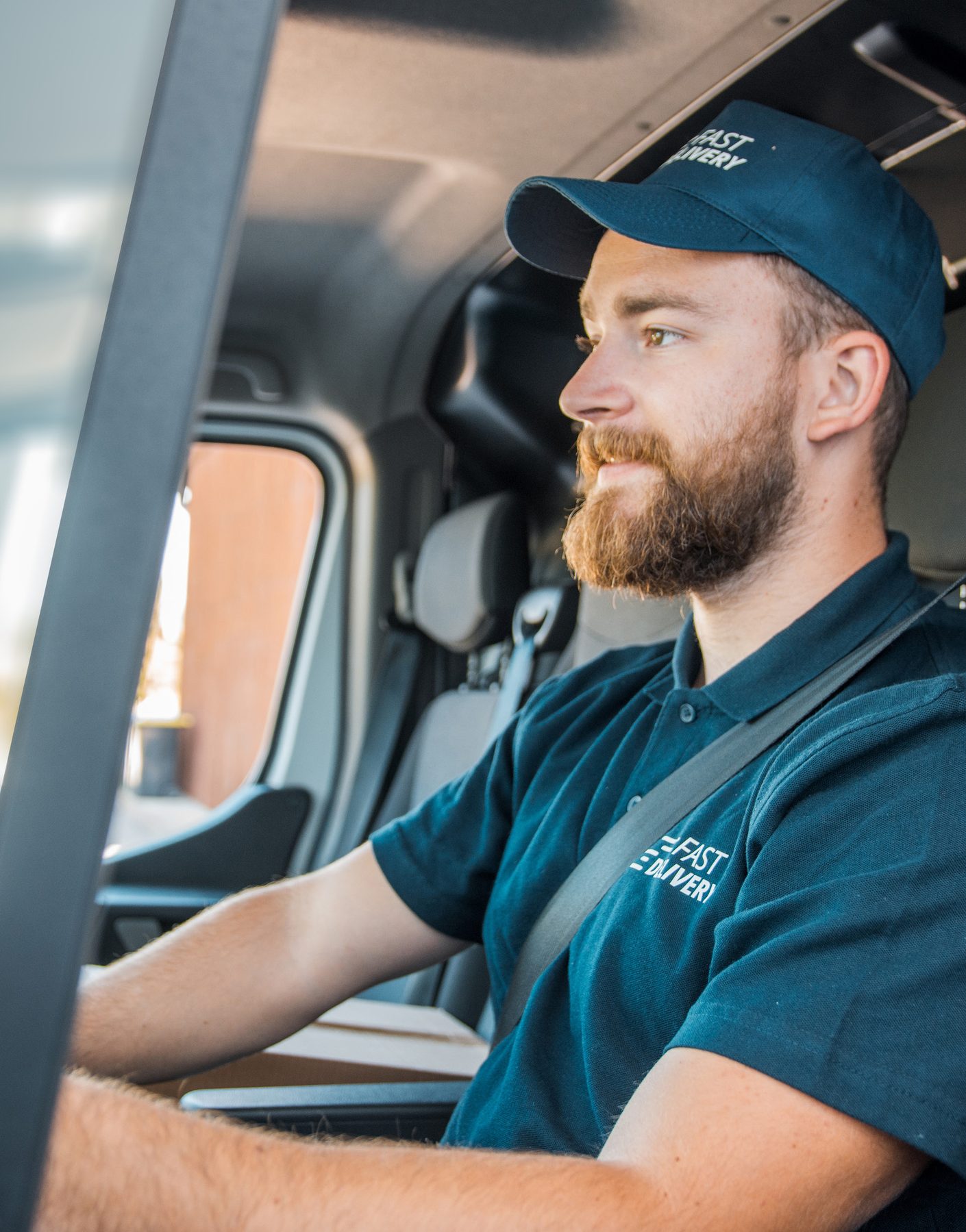
2 Explain the Technology’s Role in Boosting Safety
Unions are focused on keeping their members safe. When talking with unions and their members, or non-union drivers, emphasize how fleet telematics data and smart dash cams help fleet operators keep drivers safe. Most companies use the data to customize driver coaching, update driver training programs and improve driver behavior feedback to help drivers avoid collisions.
Drivers often aren’t aware of the bad habits they’ve developed. With fleet telematics, supervisors can look for patterns of speeding, harsh braking, harsh cornering, tailgating and other aggressive driving behaviors that put the driver and other motorists at risk.
If a driver feels they must speed to finish their routes, they can discuss the issue with their supervisor and potentially induce change.
3 Create & Share a Policy on How the Data Will Be Used
Another way to reassure union and non-union drivers is to include language in your agreement that states you will not terminate drivers based solely on telematics data or video footage.
Companies that recognize and reward drivers with good driver scorecards have an edge: Rewarding the best drivers with a free meal, a cash bonus, or a paid day off shows your company values safe driving and encourages other drivers to clean up their driving.
When fleet telematics and smart dash cam data are used as carrots instead of sticks, the technology can meaningfully improve driver retention.

4 Address Privacy Concerns
Drivers may envision company officials reviewing hours of video footage to try to catch them in some undesirable behavior. But that’s not how it works.
Explain that supervisors, like everyone else these days, have a lot to do. They don’t have the time or inclination to watch video footage unless there’s a reason.
A fully integrated video telematics solution such as CalAmp Vision serves up video clips generated by triggers such as speeding, harsh braking, stop sign violations and collisions. Let unions and drivers know that managers will review only these trigger-based clips. And, the fewer the safety violations, the fewer the clips.
5 Explain That Jobs Depend on This Technology
Many drivers, and unions representing drivers, have heard about the “nuclear verdicts” that lawyers are winning against trucking companies in insurance claims. A jury that finds a trucking company guilty may award millions of dollars in damages to the plaintiffs. That can be enough to significantly impact the bottom line of any fleet, if not sink the business entirely.
Insurance companies that have had to pay out these claims are becoming much more selective about which companies they insure. They demand that customers take every precaution to avoid lawsuits and limit damage payouts.
One of those precautions is the installation of fleet dash cams. Companies that don’t install them may find they can’t get insurance. That would force them out of business and eliminate jobs that drivers and union members are counting on.
Driving Safely Is Part of the Job
Drivers benefit directly from thoughtful reminders that driving safely and in accordance with company policy is part of the job. If they’re driving safely, no one will ever see their dash cam footage. If they aren’t, the company has a right to know it because it puts both the driver and the company at risk.
Fleet operators that haven’t yet adopted smart dash cams and fleet telematics likely will soon, so fighting against the technology is a losing proposition, one that can be easily avoided by choosing the right smart dash cam provider.
CalAmp Vision, our AI-driven smart dash cam solution, helps fleets revolutionize safety and avoid liability. Interested in learning more about CalAmp Vision dash cams?
Learn more about CalAmp Vision
Download the complete PDF version of the guide.